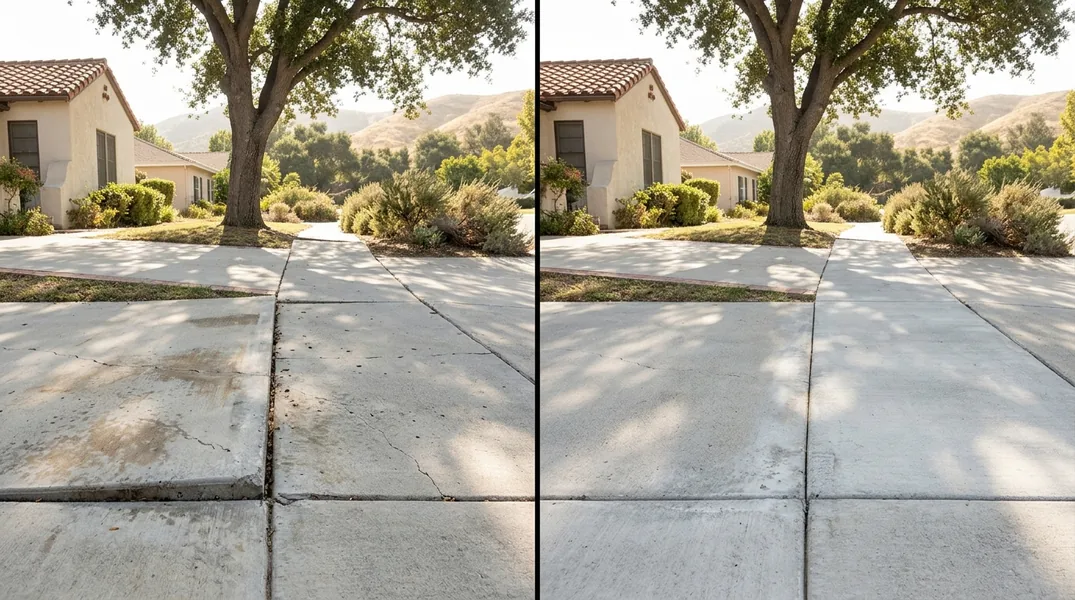
Understanding Santa Clarita's Unique Soil Composition
If you own property in Santa Clarita, you're building on some of the most geologically complex terrain in Southern California. The region sits at the intersection of several distinct soil zones, including hillside fill material and river sand deposits that create a challenging foundation environment for concrete work. Unlike areas with uniform, well-compacted soil, Santa Clarita homeowners often deal with inconsistent ground conditions that can cause significant problems if not properly managed during construction.
The hillside fill that characterizes much of the landscape around Santa Clarita is often composed of imported soil used to level and develop residential areas over the past several decades. This fill material, while convenient for construction, lacks the natural compaction and stability of undisturbed earth. River sand deposits, particularly in areas near waterways and flood plains, present their own set of challenges. Sand is inherently loose and prone to shifting, especially when exposed to water infiltration or heavy loads. When concrete is poured directly on inadequately prepared sandy or filled soil, the result is often premature cracking, settling, and surface deterioration that requires expensive Concrete Repair & Resurfacing work down the line.
How Hillside Fill Creates Slab Settlement Problems
Hillside fill slab settlement is one of the most common issues Santa Clarita Concrete encounters when inspecting older driveways and patios in the area. When hillside fill is not properly compacted or when it was placed years ago without modern engineering standards, it continues to shift and compact under the weight of concrete slabs. This gradual movement creates stress points in the concrete, leading to cracks that start small but expand over time as the underlying soil continues to move. Homeowners often notice this problem when their once-smooth driveway develops a series of parallel cracks or when one section of a patio begins to slope noticeably compared to adjacent areas.
The danger of hillside fill settlement extends beyond mere aesthetics. As the soil beneath a concrete slab continues to compact and shift, the concrete loses its structural support. Water begins to seep into the cracks, further destabilizing the soil beneath and accelerating the deterioration process. In Santa Clarita's climate, where temperatures fluctuate significantly between seasons, this water infiltration becomes even more problematic. The freeze-thaw cycle, though less severe than in northern states, still causes trapped moisture to expand and contract, widening cracks and creating new fractures. If left unaddressed, hillside fill slab settlement can eventually require complete removal and replacement of the concrete surface, making early intervention crucial for protecting your investment.
Santa Clarita Soil Concrete Cracking: Root Causes and Prevention
Santa Clarita soil concrete cracking occurs through several interconnected mechanisms, all rooted in the region's challenging ground composition. The primary culprit is inadequate soil preparation before concrete is poured. Many older installations in the area were completed without proper base layers, compaction testing, or moisture barriers. Modern best practices call for a minimum four-inch compacted gravel base beneath concrete, followed by a moisture barrier to prevent capillary action from pulling groundwater up through the soil and into the concrete slab. When these steps are skipped or performed inadequately, the concrete absorbs moisture from below, leading to internal stress and surface cracking.
Prevention starts with professional soil assessment before any concrete work begins. Santa Clarita Concrete recommends having the ground evaluated to determine its composition, compaction level, and drainage characteristics. For properties with known sandy soil or hillside fill, specialized base preparation becomes essential. This might include removing the top layer of unstable soil, installing a proper gravel base with precise compaction, adding a polyethylene moisture barrier, and in some cases, using reinforced concrete with wire mesh or rebar. Additionally, proper slope and drainage design prevents water from pooling on or around the concrete surface, which is particularly important in Santa Clarita where occasional heavy rains can overwhelm poorly designed drainage systems. Getting these details right during the initial installation phase prevents years of headaches and expensive repairs later.
Sandy Soil Concrete Base: What Every Santa Clarita Homeowner Should Know
River sand and sandy soil present unique challenges for concrete base preparation in Santa Clarita. Sand lacks the binding properties of clay or silt, making it prone to shifting when exposed to water or vibration. A concrete driveway built directly on sandy soil without proper preparation will inevitably develop problems. The sand beneath the concrete continues to move, settle unevenly, and compress under load, creating stress points in the concrete above. This uneven settling is what causes the distinctive dishing or cupping patterns homeowners notice on driveways built over sandy foundations. The edges of the concrete become higher than the center, creating a bowl-like depression that collects water and accelerates deterioration.
The solution for sandy soil concrete bases involves creating a stable, moisture-resistant foundation layer. Professional contractors in Santa Clarita use compacted gravel bases specifically graded to prevent sand migration and provide stable support. The gravel is typically four to six inches thick and must be compacted to at least 95 percent of maximum density to provide adequate support for concrete. A moisture barrier, usually six-mil polyethylene sheeting, is then installed over the gravel to prevent capillary moisture from rising through the base. For particularly problematic sandy areas, some contractors recommend a recycled asphalt or recycled concrete base, which binds together better than loose gravel and provides superior stability. These additional steps cost more upfront but prevent the need for Concrete Repair & Resurfacing within a few years, making them a worthwhile investment for Santa Clarita properties.
Concrete Repair Santa Clarita: When Soil Problems Require Professional Intervention
If your Santa Clarita property is already showing signs of concrete damage related to soil issues, professional repair becomes necessary. The question many homeowners face is whether to repair the existing concrete or remove and replace it entirely. For minor cracking caused by soil settlement, Concrete Repair & Resurfacing can be an effective solution. Epoxy injection into cracks seals them against water infiltration and can restore some structural integrity. Surface sealing and resurfacing can address cosmetic damage and prevent further deterioration. However, these repairs are only effective if the underlying soil has stabilized. If the soil is still actively settling or shifting, repairs will simply crack again within months.
For more severe issues like significant settling, large cracks, or structural failure, complete replacement becomes the better option. This allows contractors to properly prepare the base, address any drainage issues, and ensure the new concrete is built on a stable, well-engineered foundation. Santa Clarita Concrete can assess your specific situation and recommend the most cost-effective solution for your property. Whether you're dealing with a cracked driveway, settled patio, or damaged Concrete Driveways, understanding the soil-related cause of the problem is essential for choosing the right repair strategy. Contact Santa Clarita Concrete at (661) 528-6456 to schedule an inspection and receive a detailed assessment of your concrete's condition and the underlying soil issues affecting it.
Protecting Your Concrete Investment: Best Practices for Santa Clarita Properties
Once you understand how Santa Clarita's soil composition affects concrete, you can take proactive steps to protect your investment. For new concrete work, insist on proper soil preparation, professional base installation, and moisture barriers. Ask your contractor about the specific soil conditions on your property and how they're addressing them. Request documentation of soil compaction testing to verify that base preparation meets professional standards. These details might seem technical, but they directly impact how long your concrete will last. Quality installation on a properly prepared base can give you 20 to 30 years of service, while poor preparation might result in significant problems within 5 to 10 years.
For existing concrete, regular maintenance is crucial. Seal your concrete every two to three years to prevent water infiltration, which accelerates damage from soil movement. Keep gutters and drainage systems clear so water doesn't pool around your concrete surfaces. Monitor for new cracks or settling and address them promptly before they worsen. If you notice signs of soil-related concrete problems, get a professional evaluation sooner rather than later. Santa Clarita Concrete offers free estimate inspections to identify soil and concrete issues before they become expensive problems. Whether you're planning new concrete work or need to address existing damage, understanding your property's soil conditions is the first step toward making smart decisions about your concrete surfaces.
Looking for a professional concrete contractor in Santa Clarita? Santa Clarita Concrete responds fast for all your concrete needs.
Get a Free QuoteOur services: Concrete Driveways · Concrete Patios · Stamped & Decorative Concrete